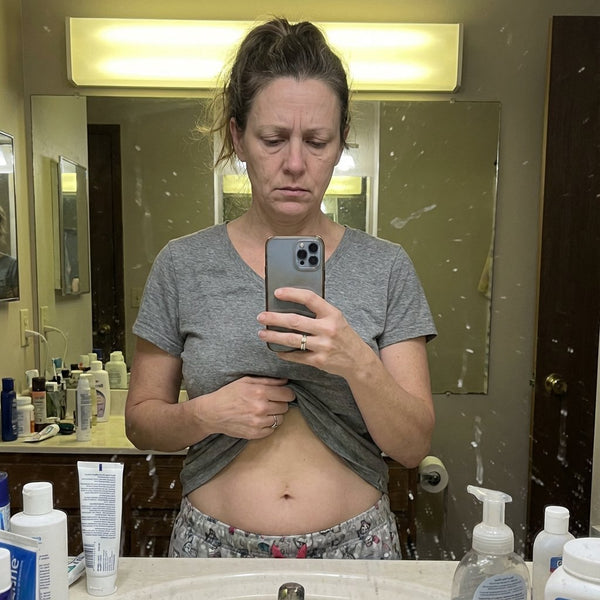
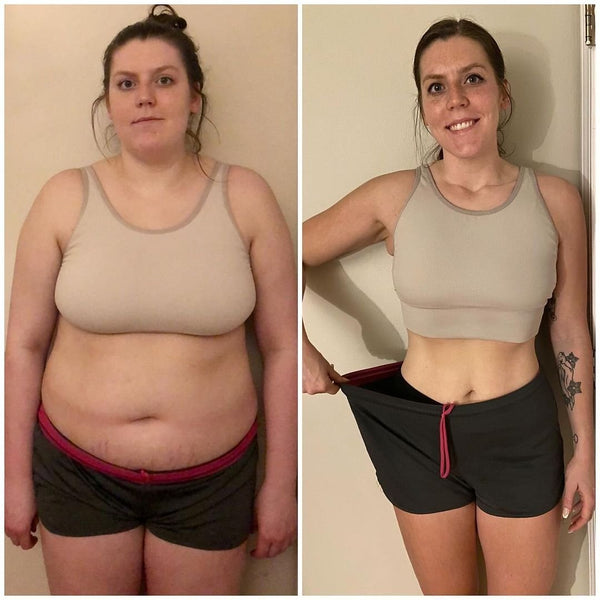
The Bloated, Heavy Feeling the Morning After Drinking

Two glasses of wine, a normal dinner, and you wake up with a face that looks inflated, rings that won't turn, and two extra pounds on the scale. It's a familiar sequence with a fairly precise explanation.
Alcohol does two opposite things
Phase one: it dehydrates you
Alcohol suppresses vasopressin, the hormone that tells your kidneys to conserve water. With less of it circulating, your kidneys release more fluid than you're taking in. That's the extra trips to the bathroom, and it's also why you can lose real water weight overnight while drinking.
Phase two: it makes you retain
As the alcohol clears, your body registers the deficit and swings the other way — vasopressin rebounds, aldosterone rises, and your kidneys start gripping onto sodium and water. This is where the puffiness comes from, and it typically peaks the morning after rather than during.
Add the rest of it — alcohol is mildly inflammatory and dilates blood vessels, so more fluid leaks into tissue; you slept badly, and short sleep independently increases retention; and drinks almost always arrive alongside salty food.
Why your face, specifically
The skin around your eyes is the thinnest on your body and the tissue underneath is loose, so it shows fluid before anywhere else. And you spent the night horizontal, which means gravity had eight hours to settle fluid in your face rather than your ankles. By mid-afternoon it will have migrated downward — which is why the puffiness seems to "resolve" as the day goes on.
The heavy, bloated stomach
Separate mechanism, same night. Alcohol irritates the stomach lining and slows gastric emptying, so food sits longer. Beer and sparkling wine add carbonation. Sugary mixers feed gut fermentation. And late eating means digestion overlapping with sleep. Genuine gas and distension, on top of the fluid puffiness.
What actually helps the next morning
- Drink water — steadily, not all at once. Your body is in retention mode; consistent intake through the morning signals that the shortage is over. Chugging a litre mostly produces one trip to the bathroom.
- Add electrolytes, lightly. A pinch of salt and some potassium (coconut water, orange juice, a banana) rehydrates more effectively than plain water alone. Don't overdo the sodium.
- Move. A 20–30 minute walk is the most effective single thing on this list. Muscle contraction is what drives lymph, and lymph is what clears the fluid.
- Cool water on your face. Or a cool compress, or a chilled roller, for a couple of minutes. Vasoconstriction genuinely reduces visible puffiness — temporarily, but the morning is when you need it.
- Deep breathing. Ten slow belly breaths help drive lymph through the thoracic duct.
- Eat potassium-rich food, skip the salty fry-up. Eggs with greens and avocado over bacon and hash browns. Salt now extends the retention.
- Don't weigh yourself. It's water and it's leaving. The number is noise.
Most of it clears within 24–48 hours without intervention. The steps above compress that.
Reducing it in advance
- A glass of water between drinks — the simplest and most effective lever
- Clear spirits with soda over beer, sweet cocktails, and red wine (congeners and sugar both make it worse)
- Eat a real meal before, ideally protein-containing
- Skip the late salty food, which is where a surprising amount of next-day puffiness originates
- Finish drinking earlier so sleep is less fragmented
- Elevate your head slightly with an extra pillow — less fluid pooling in your face
- A short walk before bed
Worth paying attention to
If puffiness after drinking has become dramatically worse than it used to be, lasts more than a couple of days, or comes with abdominal swelling, yellowing skin, or persistent leg swelling, that's a conversation with your doctor. Alcohol's effects on the liver and kidneys are real, and fluid handling is one of the earlier places they show up.
The bottom line
Dehydration followed by rebound retention, made worse by bad sleep and salty food. Water steadily, electrolytes, a walk, cool water on the face, and potassium instead of salt. It's water, and it's temporary.

For the mornings after
Lymsomal drops are part of a daily drainage routine — taken consistently, not as a one-off fix.
Shop Lymsomal DropsThis article is for general education only and is not medical advice. Lymsomal is a dietary supplement and is not intended to diagnose, treat, cure, or prevent any disease. If you have persistent, painful, or one-sided swelling, please speak with a healthcare professional.