Debloat Supplements: What Actually Helps With Puffiness

The word "debloat" gets used for two problems that have almost nothing in common. Sorting out which one you have is the difference between a supplement that helps and forty dollars in a drawer.
First, which bloat is it?
Digestive bloating — gas and gut
Feels like pressure and distension in your abdomen. Comes and goes with meals. Often accompanied by rumbling, burping, or wind. Your stomach looks visibly bigger after eating and flatter in the morning. Rings and shoes still fit.
Fluid retention — puffiness
Feels tight and heavy rather than gassy. Shows up in your face, fingers, ankles, and lower legs, not just your belly. Worst after salty food, alcohol, long flights, hot weather, or at particular points in your cycle. Sock lines that linger. Rings that won't budge.
You can have both. But the products that help each are different, so start by identifying the dominant one.
For digestive bloating
- Digestive enzymes. Best evidence is for specific mismatches — lactase for lactose, alpha-galactosidase for beans and cruciferous vegetables. Broad-spectrum blends are a coin flip.
- Probiotics. Strain-specific. Some Bifidobacterium and Lactobacillus strains have reasonable trial data for IBS-type bloating; a generic "50 billion CFU" claim tells you almost nothing.
- Peppermint oil (enteric-coated). One of the better-supported options for IBS symptoms including bloating.
- Ginger. Modest evidence for speeding gastric emptying. Cheap, low-risk, easy to test as tea.
- A low-FODMAP trial. Not a supplement, and more effective than most of them. Worth doing with a dietitian rather than alone.
For fluid retention and puffiness
- Potassium-rich food first. Not a supplement — and more reliable than one. Potassium helps your kidneys let go of sodium. Greens, avocado, beans, potatoes, tomatoes, citrus.
- Magnesium. Has the most credible evidence in this category, mainly for cyclical fluid retention and premenstrual bloating.
- Dandelion leaf. Traditionally used as a mild diuretic. Human data is very limited. Works on the symptom, not the cause.
- Lymphatic botanicals — cleavers, red clover, prickly ash bark, stillingia root. Long traditional use in the drainage context, limited modern research. Positioned around supporting flow rather than forcing output.
- Vitamin B6. Some older evidence for premenstrual fluid retention. Doses matter — high intakes over time can cause nerve problems, so stay conservative.
What to be wary of
- Strong diuretic blends. Pushing urine output hard can shift electrolytes and blood pressure, and the pounds come straight back. "Herbal" is not the same as "gentle."
- Laxative teas. Senna and cascara are not debloat products. Regular use is genuinely bad for you.
- Proprietary blends with no amounts listed. If a label hides doses behind a blend name, you can't evaluate it.
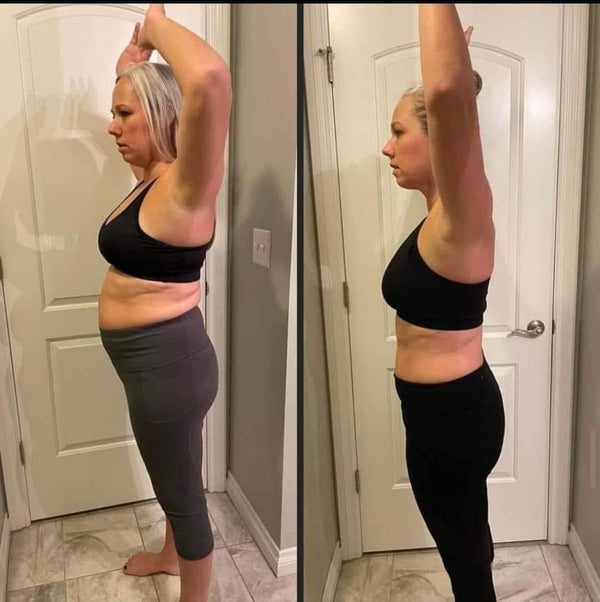
- Overnight before-and-after photos. Lighting, posture, and time of day. Every one of them.
The unglamorous things that outperform most supplements
- Drink more water. Dehydration makes your body hold onto sodium and fluid. The instinct to drink less when puffy is backwards.
- Move every hour. Your lymphatic system has no pump — muscle contraction is the pump. This is the single biggest lever for lower-body puffiness.
- Cut processed sodium, not the salt shaker. Most sodium comes from packaged food, bread, sauces, and restaurant meals, not what you add at home.
- Get enough protein. Low blood protein makes fluid leak out of vessels into tissue more easily.
- Sleep. Short sleep is linked with more fluid retention and a puffier face the next day. Reliably.
- Elevate your legs. Fifteen minutes above heart level in the evening.
How to test any of this properly
Change one thing at a time. Give it three to four weeks. Track something concrete — morning photo in the same light, whether your rings fit at 6pm, how your ankles feel after a workday — rather than relying on memory. Weigh yourself at the same time daily if fluid is the issue; the pattern matters more than the number.
The bottom line
Digestive bloating and fluid puffiness need different tools. For fluid, the highest-yield interventions are water, movement, potassium, protein, and sleep — with a supplement as a supporting anchor, not the engine.

If your bloat is fluid, not gas
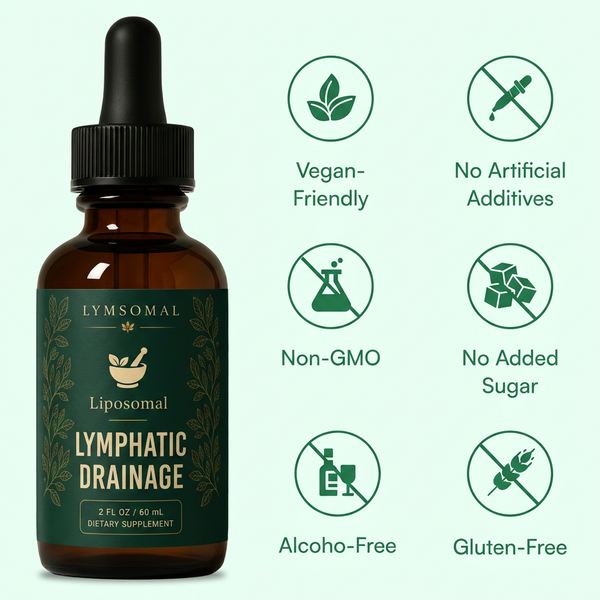
Lymsomal is built for the drainage side of the problem — traditional lymphatic botanicals in a liposomal format, taken daily.
Shop Lymsomal DropsThis article is for general education only and is not medical advice. Lymsomal is a dietary supplement and is not intended to diagnose, treat, cure, or prevent any disease. If you have persistent, painful, or one-sided swelling, please speak with a healthcare professional.