Dry Brushing 101: How to Use a Lymphatic Brush

Dry brushing is one of the few lymphatic practices that is genuinely simple, costs nothing after the brush, and feels good enough that people actually keep doing it. It's also done wrong most of the time — usually too hard, and often in the wrong direction.
The one rule that matters
Always brush toward your heart, with light pressure.
Direction matters because your lymphatic vessels contain one-way valves that carry fluid back toward your chest, where it re-enters the bloodstream near your collarbones. Brushing away from the heart works against the valves.
Pressure matters because your lymphatic capillaries sit in the layer just beneath the skin — far shallower than most people assume. You are aiming for a light sweep that turns the skin faintly pink, not a scrub. Hard pressure compresses the very vessels you're trying to encourage and can irritate your skin. If it hurts, you've badly overdone it.
What you need
- A natural-bristle brush — a long handle for your back and legs, or a smaller handheld one for detail. Medium-firm is right for most people; start soft if your skin is sensitive.
- Completely dry skin, and a dry brush. Water is what makes it a body scrub instead.
- Two to three minutes.
Best time: right before a shower, on bare dry skin. The shower then rinses away the loosened dead skin cells, and you finish with a cool rinse.
The sequence
Work upward from your feet, and use long smooth strokes rather than scrubbing in circles.
- Start at your neck and collarbones. This is the step people skip, and it matters — lymph exits here, so opening the drain first makes sense. Use very light downward strokes on the sides of your neck toward your collarbone, then small strokes along the collarbone itself. 5–10 strokes each side.
- Feet and lower legs. Soles first, then sweep up from ankle toward knee. 5–7 strokes per area, all around the leg.
- Thighs. Continue from knee up to hip, front, sides, and back. Finish with strokes toward the groin, where a major lymph node cluster sits.
- Buttocks and hips. Upward and inward.
- Hands and arms. Palms and backs of hands, then wrist toward elbow, then elbow toward armpit — another major node cluster.
- Abdomen. Lighter still. Gentle clockwise circles, following the direction of your colon, then a few upward strokes toward the chest.
- Chest and back. Avoid the nipples entirely. Strokes toward the armpits on the chest; on the back, upward from the lower back and downward from the shoulders, both toward the middle.
- Shower. Finish with 30–60 seconds of cool water, working from feet upward. Then moisturise.
Where not to brush
Skip broken, irritated, sunburnt, or infected skin; open wounds, rashes, eczema flares, or psoriasis plaques; varicose veins (brush around, not over); moles and skin tags; your face (use a much softer dedicated brush if you want to, or nothing); and the nipple area.
Who should check with a doctor first
Speak to a healthcare professional before dry brushing if you have lymphedema or have had lymph nodes removed, an active infection or fever, a bleeding disorder or take blood thinners, severe varicose veins, kidney or heart failure, a current cancer diagnosis, or a history of blood clots. If you are pregnant, keep pressure very light and avoid the abdomen.
The honest evidence note
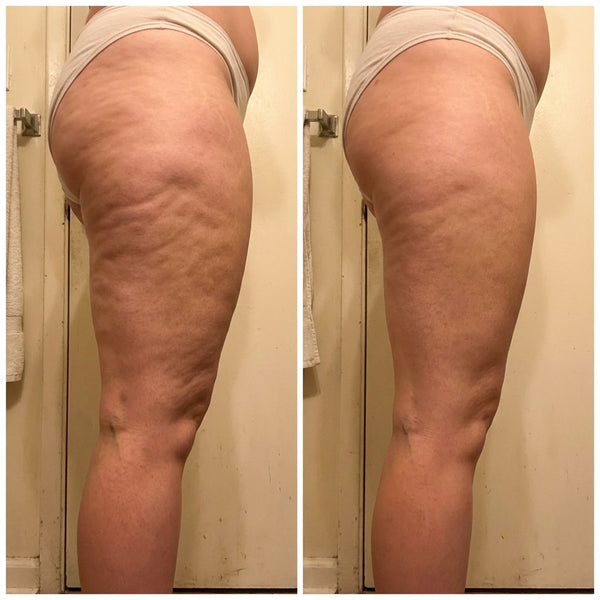
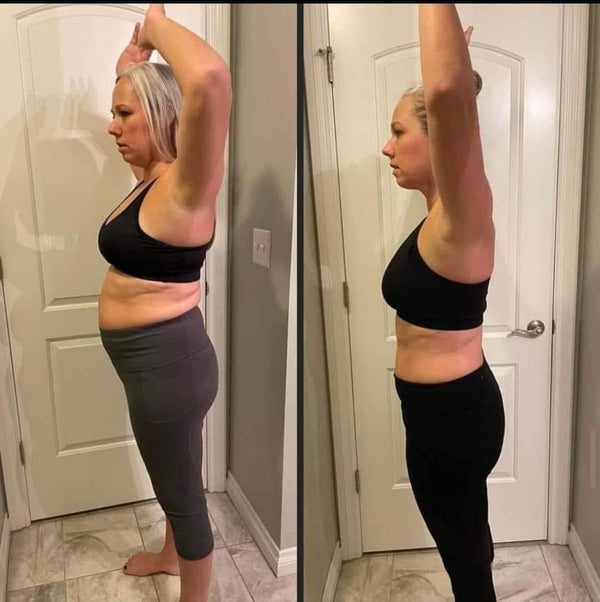
Direct clinical research on dry brushing is limited, and claims that it eliminates cellulite, causes fat loss, or detoxifies your organs are not supported. What can reasonably be said: it exfoliates well, it feels invigorating, gentle skin-level stimulation is consistent with how superficial lymphatics respond to light touch, and — not trivially — it's a two-minute daily habit that reliably reminds people to do the things that do have strong support, like moving and drinking water. Certified manual lymphatic drainage performed by a trained therapist is a different, more rigorous practice; dry brushing is not a substitute for it.
Common mistakes
- Pressing too hard (the most common by a wide margin)
- Brushing downward, away from the heart
- Skipping the neck and collarbone opening
- Doing it on damp skin
- Brushing the same spot for a minute instead of moving through the whole body
- Not moisturising afterwards
- Doing it twice a day on sensitive skin — once daily, or every other day, is plenty
The bottom line
Light pressure, always toward the heart, neck and collarbones first, feet upward, two to three minutes before a shower. Then cool rinse and moisturise. It's not a detox — it's a pleasant, cheap habit that keeps a daily drainage routine on the rails.

The brush and the drops
Brush in the morning, take your drops, then walk. Three minutes total, and the routine holds together.
Shop the Lymphatic BrushThis article is for general education only and is not medical advice. If you have lymphedema, have had lymph nodes removed, or have any of the conditions listed above, speak with a healthcare professional before dry brushing.