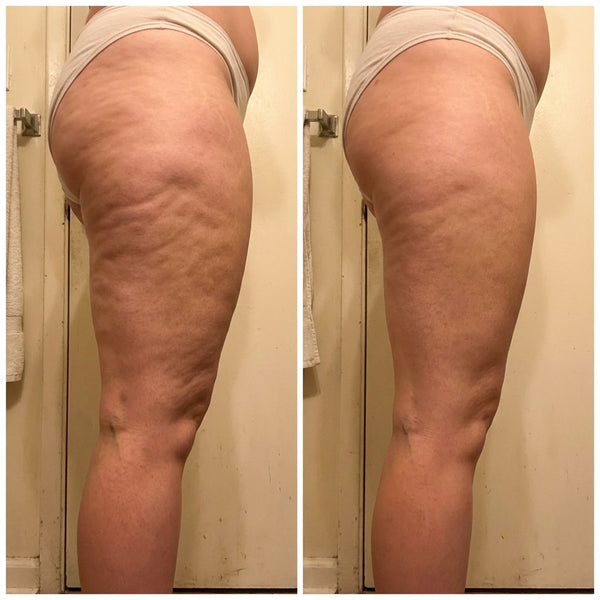
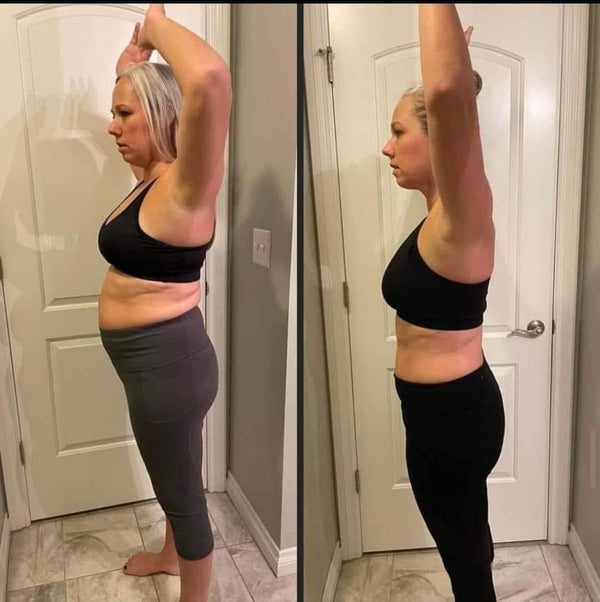
The Effects of Heavy, Swollen Legs After 40

A lot of people describe the same thing somewhere in their forties: legs that feel heavy and tired by late afternoon, ankles that swell more than they used to, and a general sense of weight in the lower body that wasn't there at thirty.
It isn't imagination. Several things shift at once.
What changes
1. Vein and lymphatic valves get less efficient
The one-way valves in your leg veins and lymphatic vessels have been working against gravity for four decades. Over time they become less competent, so a little more fluid slips back down with each cycle. This is also why visible veins and spider veins become more common in this decade.
2. You have less muscle than you did
Muscle mass declines from roughly your thirties onward without deliberate resistance training — and your calf muscle is the pump that returns fluid from your legs. Less muscle, and less strength in what remains, means a weaker pump doing the same job.
3. Hormones shift
Falling oestrogen through perimenopause and menopause affects blood vessel tone, connective tissue, and how your body handles sodium and water. Cyclical patterns become less predictable, and many women notice fluid retention behaves differently than it used to. In men, gradually declining testosterone contributes to the muscle loss in point two.
4. Life became more sedentary
The least biological factor and often the biggest. Desk work, more driving, longer hours, less incidental walking than in your twenties. Fewer contractions, less drainage.
What actually helps
Resistance training — the highest-leverage change
If you take one thing from this article: strength training twice a week, with calves included, addresses the root cause rather than the symptom. Calf raises (straight-leg and bent-knee), step-ups, squats, and walking on inclines. Two sessions a week is enough to change the trajectory of muscle loss, and the calf pump improves along with it.
Walk more, and break up sitting
Aim for a genuine walk most days plus sixty seconds of movement every hour you're seated. Frequency matters more than intensity for fluid.
Compression — stop thinking of it as medical equipment
Graduated compression socks (15–20 mmHg for general use) are one of the best-evidenced interventions for heavy, aching legs. Put them on in the morning. Modern ones look like normal socks.
Elevate daily
Fifteen to twenty minutes with your legs above heart level in the evening. Non-negotiable if your day is spent standing.
Protein and potassium
Protein needs rise with age, partly for muscle maintenance and partly because low blood protein makes fluid leak into tissue more easily. Aim higher than you did at thirty. And prioritise potassium-rich whole foods over reducing table salt alone.
Manage weight and heat
Extra weight increases pressure on abdominal and leg vessels. Heat dilates them. Both make the fluid picture worse, and both are partly manageable.
Sleep
Short sleep increases fluid retention and worsens next-day heaviness. It also undercuts the resistance training you're doing.
Get this checked rather than managed
Heaviness that's mechanical usually improves overnight and responds to movement and elevation. See a doctor if:
- Swelling is in one leg only, particularly with pain, warmth, or redness — assess urgently, this can indicate a clot
- You're short of breath, or notice chest discomfort, or swelling worsens when lying flat
- Swelling doesn't resolve overnight, or has been steadily worsening for weeks
- Pressing your shin leaves a dent that persists
- Skin is discoloured, thickened, tight, weeping, or ulcerating
- You have known heart, kidney, liver, or thyroid disease, or a history of cancer treatment affecting lymph nodes
Chronic venous insufficiency, lymphedema, and heart or kidney conditions all present this way, and all have proper treatments — compression therapy, vein procedures, certified manual lymphatic drainage, medication. Those are worth having rather than working around.
The bottom line
Valves weaken, muscle declines, hormones shift, and activity drops. You can't change the first one, but strength training, walking, compression, elevation, and protein address the rest — and together they do more than most people expect. Get one-sided or worsening swelling assessed rather than managed.

One small daily addition
Lymsomal drops sit alongside strength work and compression as part of a daily drainage routine.
Shop Lymsomal DropsThis article is for general education only and is not medical advice. Lymsomal is a dietary supplement and is not intended to diagnose, treat, cure, or prevent any disease. Persistent, one-sided, or worsening swelling needs medical assessment.